
Content


About this webinar
As researchers progress back in time tracing an elusive ancestor, fewer record sources seem to be available. Some sources known to be useful (such as census records) may appear to contain less vital data unless evaluated in different ways. And in some areas totally unique sources may be overlooked if not pointed out in advance by experienced researchers who have spent years using those sources. Karen will demonstrate how to expand your personal research success into the past.
About the speaker

Key points and insights
Navigating United States genealogical records prior to 1850 presents a unique set of complex challenges for family historians due to shifting territorial boundaries, phonetic naming conventions, and rapid population migration. This informative webinar features renowned genealogy educator Karen Clifford as she condenses material from her extensive academic courses into systematic methodologies for tracking elusive ancestors during this critical historical era. By understanding the evolving socio-economic and political landscape of early America, researchers can determine exactly where records were originally created and where they are preserved today. The presentation emphasizes a structured, highly analytical approach to overcoming genealogical obstacles, making it a vital resource for anyone looking to successfully extend their lineage past the mid-19th century.
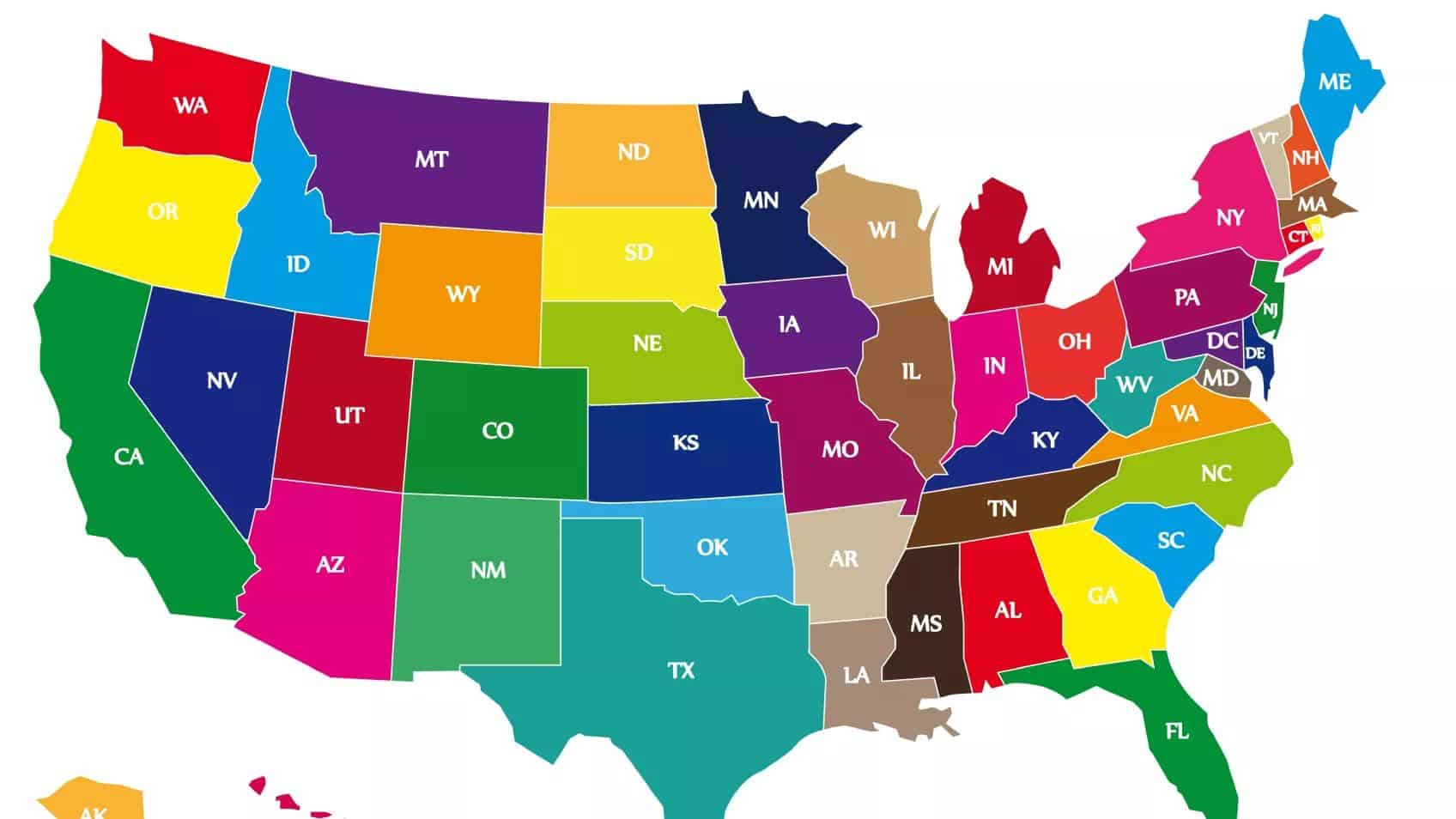
- Leveraging Historical Geography: Because early state, territorial, and county borders evolved rapidly, ancestral records often reside in unexpected jurisdictions. Utilizing historical maps and animated boundary tools is crucial for pinpointing the exact location an ancestor lived during specific years, preventing researchers from searching in the wrong repositories.
- The Cluster Research Strategy: Overcoming pre-1850 brick walls frequently requires moving away from an exclusive focus on a direct lineage. Examining the entire family cluster—including siblings, descendants, neighbors, and legal witnesses—often reveals the vital clues and circumstantial evidence necessary to reconstruct family lines.
- Analyzing Secondary Identifiers: Investigating an individual's specific religious affiliations, financial status, and the trade tools listed in probate inventories helps reconstruct ancestral community networks. These details allow researchers to accurately distinguish between multiple individuals sharing identical common names within the same region.
To fully unlock these foundational strategies and discover how to apply them to specific historical brick walls, researchers are highly encouraged to view the complete recorded webinar. Accessing the full presentation provides an immersive look into practical case studies, chronological software tips, and analytical techniques that can dramatically accelerate genealogical discovery. Furthermore, family historians are invited to explore the additional specialized repository lists, search engine guides, and instructional references carefully compiled within the accompanying syllabus. Reviewing these comprehensive materials offers a reliable roadmap for navigating early federal and regional archives, transforming seemingly impossible research hurdles into rewarding breakthrough moments.
Related webinars
 01:21:13
 00:05:13
 01:34:25
 01:51:44
 01:44:50
 01:37:35
 01:34:03
 01:36:27
 01:41:05
